











MHI Risk Assessment Services for South African Facilities

MMRisk provides MHI risk assessment South Africa services, HAZOP studies, quantitative risk assessment, consequence modelling, and emergency response planning for high-hazard facilities.

Our Accreditations
Approved Inspection Authority: CI MHI 0013
SANAS Accredited: MH10037 | ISO/IEC 17020 Compliant
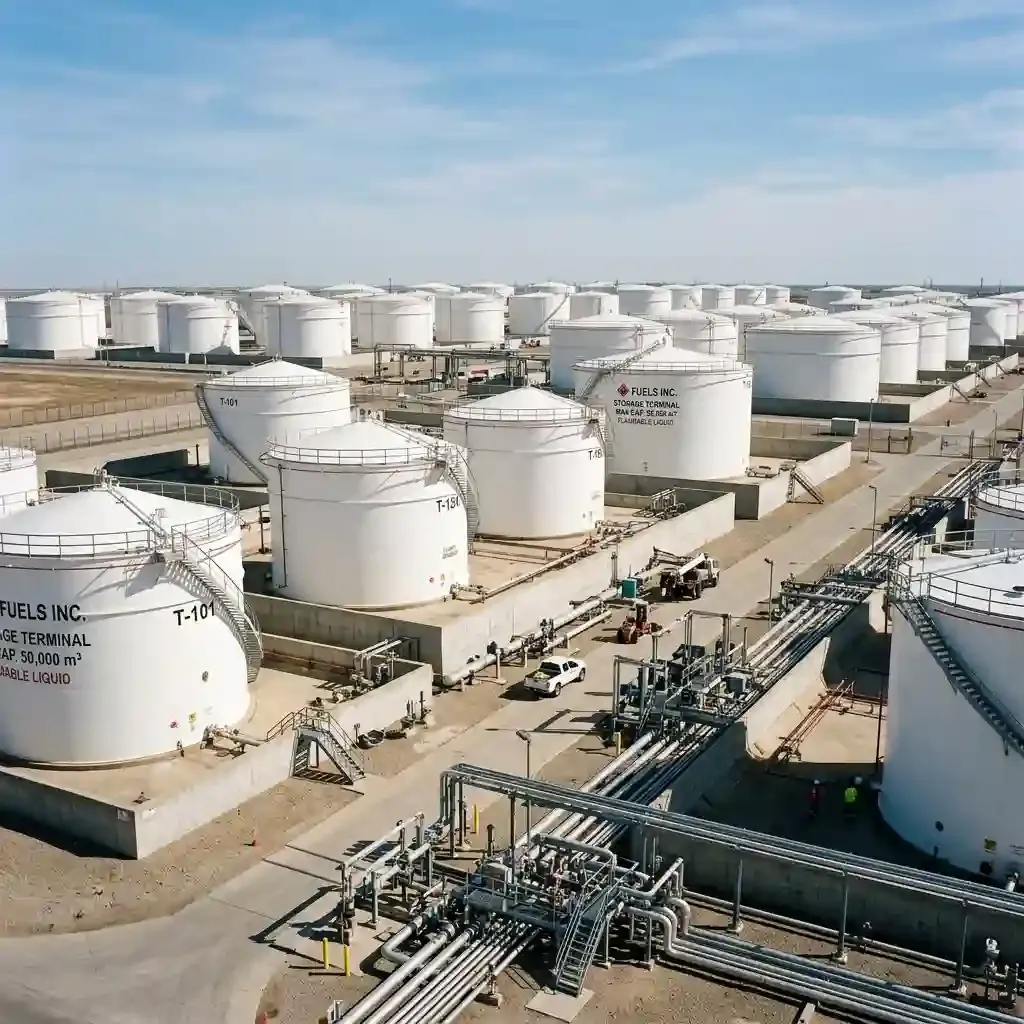
MHI Risk Assessment team at work
What we do

Comprehensive risk management services

Delivered by process safety consultants serving Johannesburg, Gauteng, Cape Town, Durban, Sasolburg, Secunda, Richards Bay, and South Africa's major industrial hubs.

Quantitative Risk Analysis

MHI Risk Assessment South Africa

Approved Inspection Authority for Major Hazard Installation risk assessments, MHI screening, classification, compliance support, and defensible reporting.

Learn more
Hazard Identification

HAZOP Study and Facilitation

HAZOP study South Africa support, HAZOP workshop facilitation, guide word analysis, and specialist hazard identification for chemical, oil and gas, mining, and manufacturing facilities.

Learn more
Emergency Response Planning

Emergency Response Plan for Industrial Facilities

Emergency response planning for MHI facilities, including fire, explosion, and toxic release scenarios aligned with SANS 1514 emergency planning expectations.

Learn more
Build Internal Capability

Process Safety Training South Africa

Expert-led courses that equip your team with the skills to identify hazards, assess risks, and respond to emergencies—delivered by South Africa's accredited process safety practitioners.

2 Days

Introduction to MHI Risk Assessments

For Safety Managers

Introduces delegates to MHI Regulations and the requirements for a Risk Assessment. Covers hazard identification, consequence analysis, frequency estimation, and risk reduction measures.

  • MHI Regulations & OHS Act overview
  • Risk evaluation and scoring methods
  • Risk reduction and ALARP principles
Certificate of Completion Provided
Course Details
3 Days

Emergency Response Planning & Bow-Tie Analysis

For Emergency Coordinators

Covers principles and real-world application of Emergency Response Planning and Bow-Tie Analysis. Participants develop effective response strategies and implement robust safety barriers.

  • Emergency scenario identification
  • Bow-Tie barrier modeling
  • Regulatory-compliant ERP drafting
Certificate of Completion Provided
Course Details

All training programs are delivered by SANAS-accredited process safety engineers

View All Training Programs
Our insights

Recent professional posts

A General Risk Assessment (GRA) is the first step. If the assessment shows potential for an incident involving hazardous substances that could affect members of the public outside your boundary, your site likely qualifies as a Major Hazard Installation (MHI).

The MHI Regulations 2022 (with 2026 updates) require all sites currently classified or potentially qualifying to undergo a formal evaluation through an Approved Inspection Authority (AIA) like mmrisk.

SANS 1461 is the South African National Standard for Quantitative Risk Assessment (QRA). It provides the methodology and criteria for assessing risk levels to ensure national consistency.

  • Ensures risk assessments follow a scientifically sound, peer-reviewed process.
  • Mandatory for all MHI compliance and new development planning.
  • Required by local authorities for development approvals near hazardous sites.

In South Africa, a Major Hazard Installation (MHI) risk assessment must be reviewed and resubmitted at least every 5 years. However, immediate updates are required if:

  • There is a significant change in the quantities or types of substances stored.
  • A process modification changes the site's overall risk profile.
  • An expansion project is planned at the site boundary.

Yes. All mmrisk training programs are developed and delivered by SANAS-accredited process safety engineers. Our courses align with international best practices and SA regulatory requirements.

Participants receive a certificate of completion that serves as proof of competency for internal safety management and regulatory audit requirements.