
The West Texas Flip-Flop
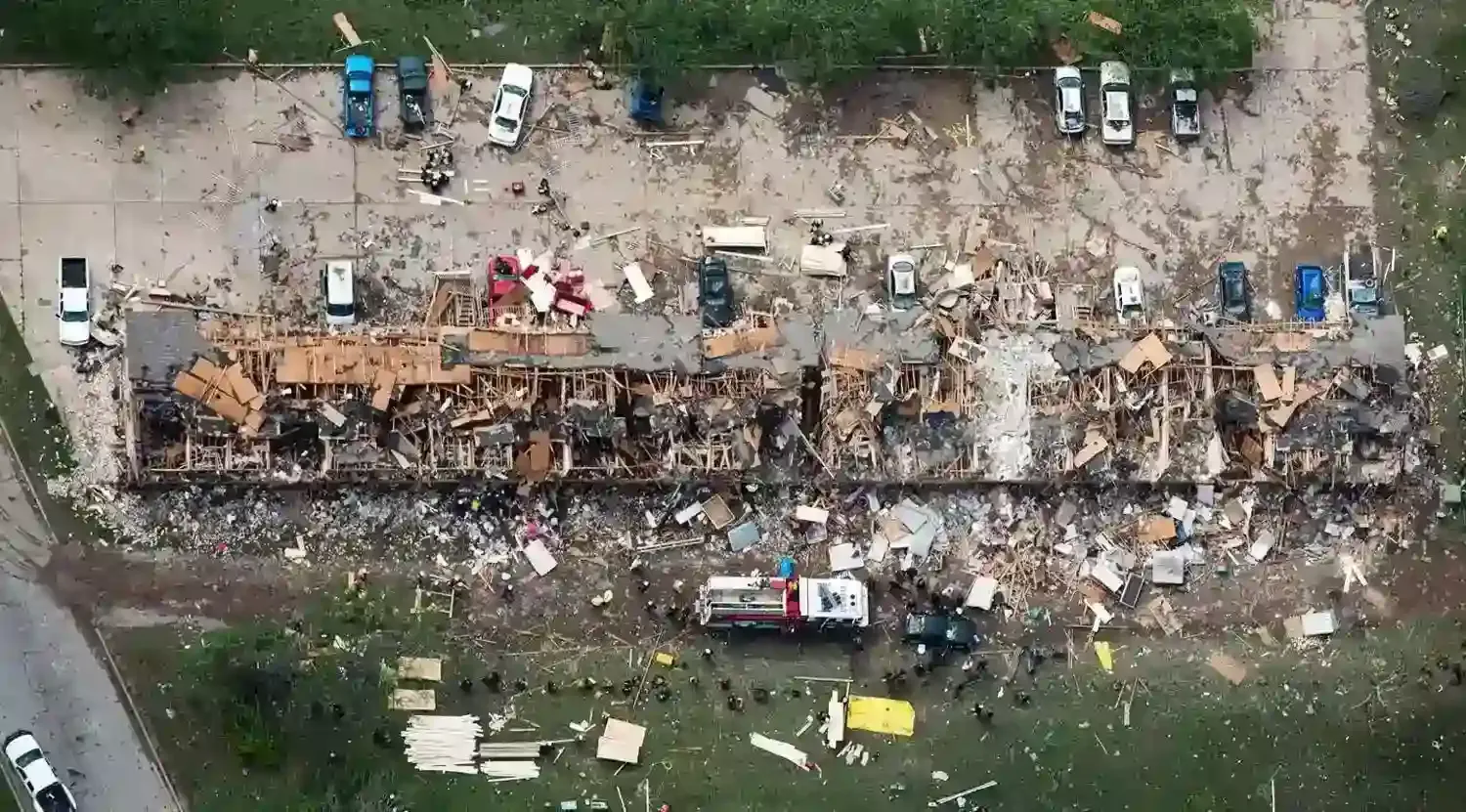
I read an article recently about safety regulation (in America) that made me frown. The background: In 2013 you may remember reading about an explosion that occurred in a small town in Texas called 'West'.
The West Texas Flip-Flop
I read an article recently about safety regulation (in America) that made me frown. The background: In 2013 you may remember reading about an explosion that occurred in a small town in Texas called 'West'.
The 2013 West Fertilizer Company Explosion
The West Fertilizer Company explosion was a devastating industrial accident that occurred on April 17, 2013, in West, Texas. The fire and subsequent explosion at the agricultural fertilizer company killed 15 people, injured more than 160, and damaged or destroyed over 150 buildings.
Among the dead were 12 first responders—volunteer firefighters and emergency medical technicians who rushed to contain the fire before the explosion occurred. This tragedy highlighted significant gaps in safety regulations and oversight for facilities handling potentially dangerous chemicals.
The Regulatory Response
In direct response to this tragedy, the Obama administration in 2017 implemented new safety regulations aimed at preventing similar disasters. These rules required companies to:
- Conduct more rigorous safety audits
- Develop emergency response protocols
- Improve coordination with local emergency responders
- Analyze potential safety hazards and take preventative measures
- Consider safer technologies and alternatives when possible
These regulations specifically targeted facilities that store and handle potentially dangerous chemicals, particularly those located near residential areas or community centers.
The Concerning Reversal
What made me frown was learning that the EPA under the Trump administration has now reversed these safety regulations. The justification for this reversal was to reduce regulatory burdens on the chemical industry, with the EPA arguing that the rules were unnecessarily strict and costly to implement.
This decision was made despite objections from safety advocates, environmental groups, and even some industry experts who recognized the importance of these protections. The Chemical Safety Board, an independent federal agency that investigates industrial chemical accidents, had previously identified the lack of rigorous safety protocols as a contributing factor to the West disaster.
Implications for Process Safety
As process safety professionals, we understand that regulations should be balanced—effective without being unduly burdensome. However, when regulations are created in direct response to fatal incidents, their reversal without implementing alternative safety measures is concerning.
The West Texas explosion demonstrated how devastating the consequences can be when safety isn't prioritized. Proper risk assessment, hazard identification, and emergency response planning are not just regulatory checkboxes—they're essential practices that save lives.
Lessons for South Africa
In South Africa, we have our own regulatory framework for Major Hazard Installations under the Occupational Health and Safety Act. Unlike the situation described above, our regulations have been continuously strengthened over time, reflecting a commitment to preventing similar tragedies.
The contrast between these approaches highlights an important point: safety regulations should be viewed as investments in protection rather than unnecessary burdens. The cost of implementation is invariably lower than the cost—both human and financial—of catastrophic failures.
Conclusion
The West Texas case serves as a reminder of why a strong regulatory framework matters. As safety professionals, we should advocate for sensible, effective regulations that protect communities and workers while allowing industry to thrive.
Regulations should evolve based on lessons learned, technological advancements, and changing risks—but rolling back critical safety measures without adequate replacements represents a step backward that could have serious consequences.
This article expresses the views of the MMRisk Team on industrial safety regulation and does not necessarily reflect the official position of any regulatory body.