
Mine Residue Deposit Code of Practice: Is Your Tailings System Audit-Ready?
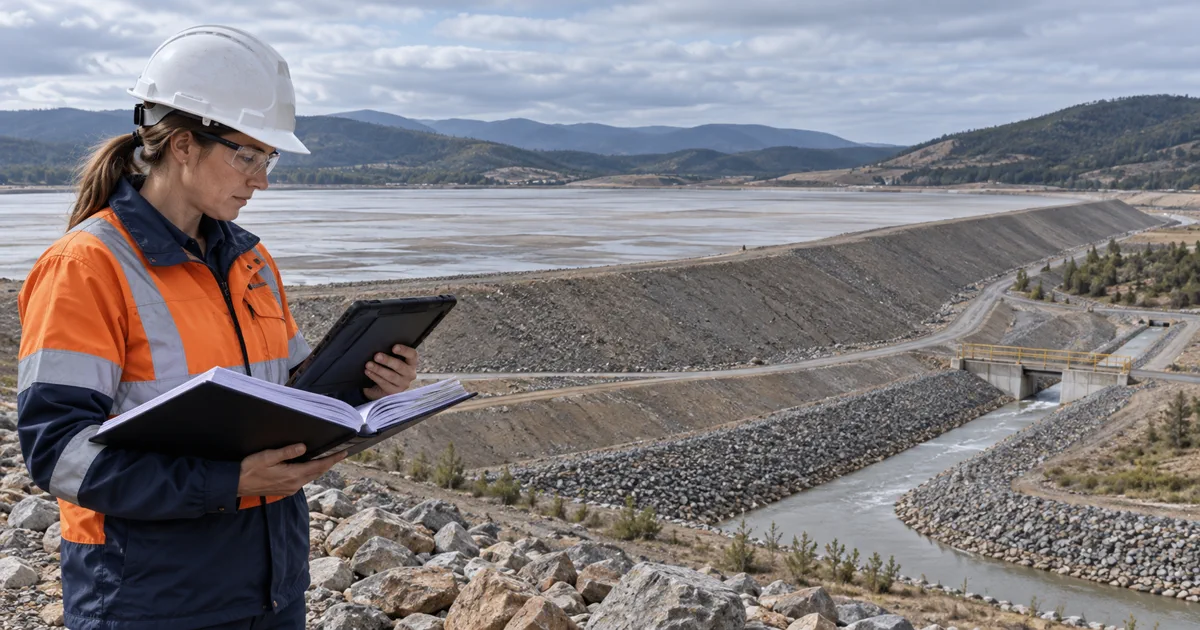
A code of practice should control real work at the tailings facility. Use this audit-ready test to find the gap between the document and the operating reality.
Your code of practice must explain how people control the facility during design, construction, operation, monitoring, closure and change. A generic document cannot protect a site with a unique deposition method, water balance and downstream consequence.
South African tailings guidance links the mandatory code-of-practice framework to SANS 10286 and life-cycle management of mine residue deposits. Tailings.info summarises the local framework and its focus on ongoing management.
Audit the operating link
Trace five current tasks from the code into the field: deposition control, daily inspection, abnormal monitoring response, contractor handover and emergency escalation. Ask the people doing the work to show the latest record. If instructions, drawings and records disagree, correct the control before the next shift.
Keep change visible
Update the code when changes affect risk. Link the management-of-change record to revised drawings, limits, training and emergency arrangements. Hold a formal review before operating under a changed basis.
The best audit evidence is consistent: the code, current operating instruction, shift record, data trend and accountable manager’s action all tell the same story.
Close the document-to-field gap
MMRisk can test your code of practice against the work people perform at the facility, then prioritise the documents, training, records and controls that need correction. Tell us your facility type and upcoming audit or review date through the enquiry form.
Request a Mine Residue Deposit Compliance Review
Download the Tailings Facility Inspection and Action Register