
Tailings Incident Investigation: The Evidence You Need in the First 24 Hours
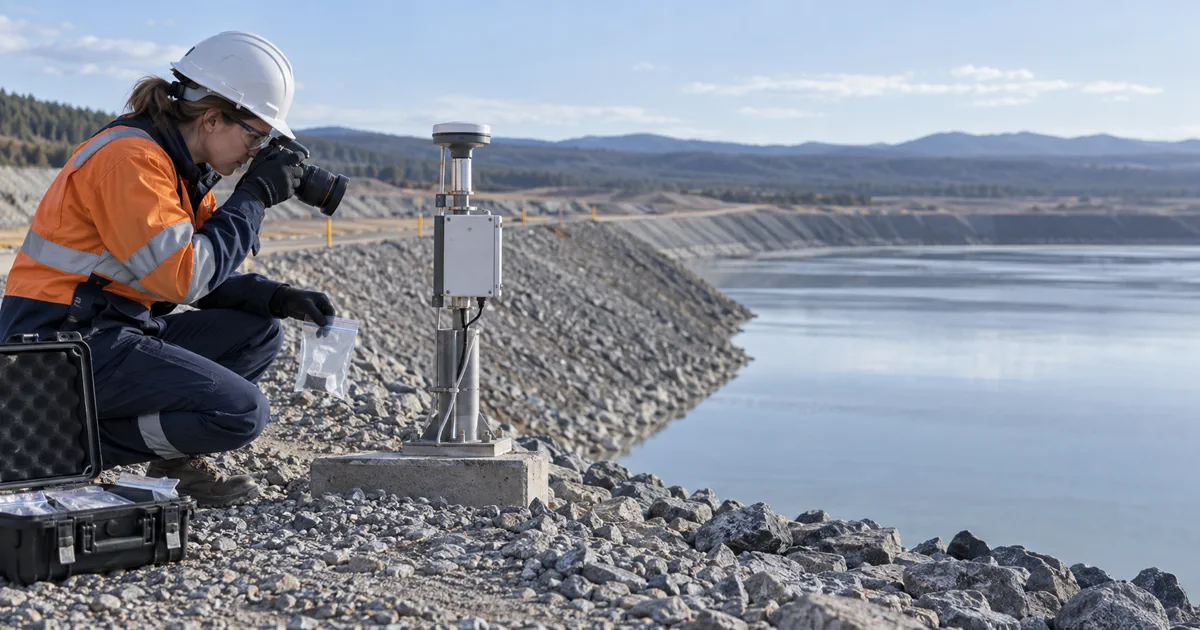
Protect people first, then protect the facts. This guide sets out the records a mine needs after a tailings incident or near miss.
An investigation cannot recover data that a site overwrote, discarded or failed to record. After people reach safety and the area is controlled, preserve the operating picture before it changes.
The Dikwena investigation involved dam-safety engineers, water sampling and assessment by water and mining authorities. The confirmed public record states that sampling results and the technical cause were still pending. Do not write an incident conclusion before the evidence supports it. SAnews provides the current status.
Secure the evidence
Preserve monitoring data, CCTV, drone imagery, shift logs, deposition settings, alarms, weather records, access records, inspection reports, drawings and communications. Record who collected each item and where you stored it.
Interview people promptly, without forcing a shared story. Ask what they saw, heard, decided and reported. Separate known facts from assumptions and later technical analysis.
Keep the learning action-focused
Identify failed or missing barriers, then assign actions to the person who controls the work. Set interim controls before restarting or changing operations. Close each action only after a competent person checks the evidence.
Get an investigation scope that improves control
MMRisk can support an evidence-preservation plan, barrier review and corrective-action process after a tailings incident or near miss. Use the enquiry form to describe the event, current operating status and the decisions your team must make next.
Request Incident Investigation Support
Download the Tailings Facility Inspection and Action Register