
Boiler and Pressure Vessel Safety: A Practical SANS 347 Review
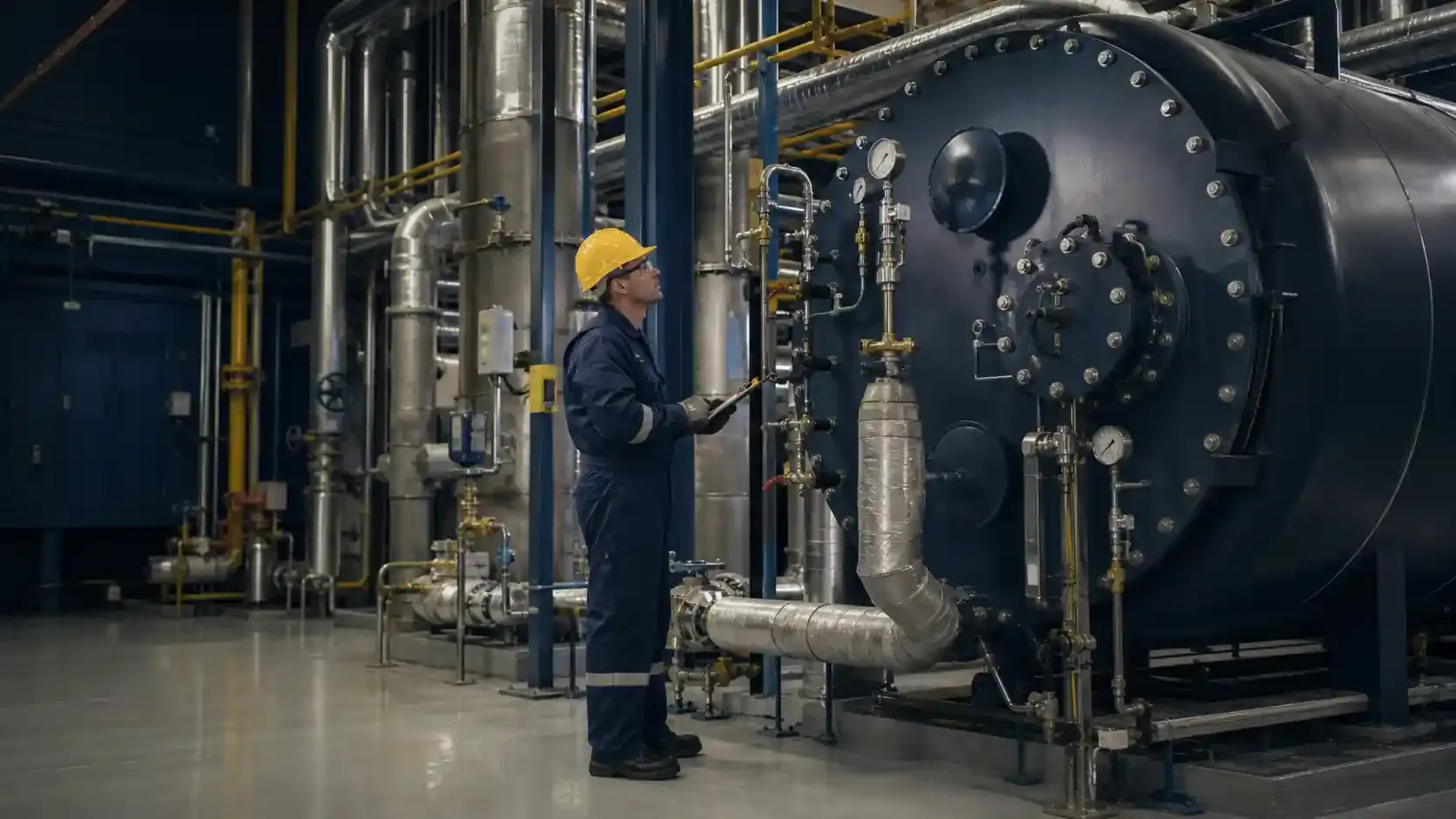
Pressure equipment safety depends on sound categorisation, inspection, modification control and operating discipline. Use this practical guide to review the controls around boilers and pressure vessels.
Boiler and Pressure Vessel Safety: A Practical SANS 347 Review
Boilers, pressure vessels and associated piping contain stored energy that can be released suddenly when design, inspection, operation or modification controls fail. A good compliance file matters, but safe performance depends on whether the plant condition, protective devices, procedures and people still match the design basis.
Know what equipment you have
Begin with an accurate register. Include vessels, boilers, piping, relief devices, pressurised ancillary equipment and the associated drawings, data sheets and certificates. Identify the design pressure and temperature, contents, category, inspection basis, isolation points and credible failure modes.
South Africa’s Pressure Equipment Regulations refer to SANS 347 for categorisation and conformity assessment. That categorisation should inform the inspection and assurance route, but it does not replace the need to understand operating risk.
Look beyond the vessel shell
The major hazards often sit at the interfaces: blocked outlets, failed level control, loss of feedwater, tube leaks, incorrect relief set points, corrosion under insulation, unsupported pipework, incompatible repairs or a control change that defeats the original trip logic. Include these issues in a HAZOP review or targeted technical assessment.
Ask whether the safeguards are independent, tested and understood by operators. A relief valve is only one layer. It does not compensate for an alarm that is ignored, a bypass that remains open or a procedure that no longer reflects the plant.
Control modifications before commissioning
Any repair or modification can affect pressure containment, metallurgy, weld quality, inspection requirements or protective-device performance. Use management of change to define the technical basis, approval, inspection, testing, documentation and pre-startup checks. The regulations require piping to be inspected and tested after manufacture, installation, modification or repair and before commissioning, as applicable.
“It fits” is not evidence that it is a replacement in kind. Check material, design duty, failure behaviour, certification and connection to the operating and inspection system.
Make mechanical integrity operational
Build inspection and testing into the work-management system. Assign owners, due dates and acceptance criteria for relief devices, thickness monitoring, non-destructive examination, alarms, interlocks, drains, steam traps, insulation condition and corrosion control. A missed task should be treated as a barrier impairment, not an administrative inconvenience.
During operating rounds, encourage people to report abnormal vibration, noise, leaks, temperature, pressure cycling or temporary repairs. These are often the first warning that the design basis is drifting.
Prepare for abnormal conditions
Operating procedures should cover startup, shutdown, low-water or high-pressure alarms, loss of utilities, isolation, maintenance handover and emergency response. Make sure the right people can act quickly without improvising. If a credible release could affect nearby assets or people, test the consequence and escalation case through consequence modelling.
MMRisk can support pressure-equipment hazard reviews, modification assessments and risk studies that connect integrity assurance to major-incident prevention. Contact us to discuss your facility.