
MHI Screening Criteria: Is Your Facility an MHI?
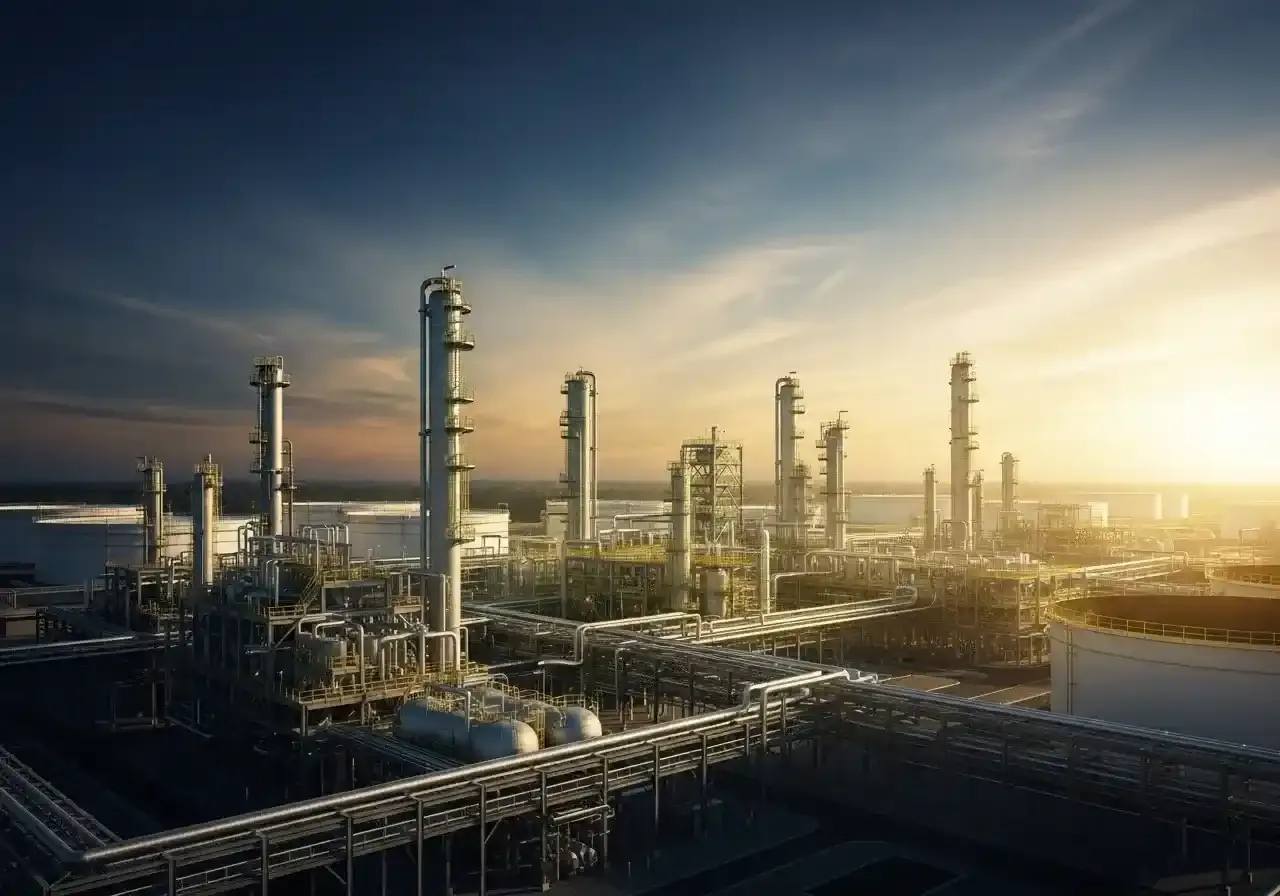
Understand the MHI screening criteria to determine if your facility qualifies as a Major Hazard Installation under South African regulations.
MHI Screening Criteria: Is Your Facility an MHI?
Determining whether your facility qualifies as a Major Hazard Installation (MHI) is the first critical step in ensuring compliance with South African regulations. The MHI Regulations 2022, enforced by the Department of Employment and Labour, require specific facilities to undergo comprehensive risk assessments by an Approved Inspection Authority (AIA).
Understanding the screening criteria can help you identify your obligations early and avoid costly penalties for non-compliance.
What is a Major Hazard Installation?
A Major Hazard Installation is defined as any installation that produces, processes, uses, handles, stores, or disposes of hazardous substances in quantities that exceed specified thresholds. These facilities pose significant risks to workers, the public, and the environment if not properly managed.
The MHI framework is designed to ensure that high-risk facilities implement appropriate safety measures and emergency response plans.
Key MHI Screening Criteria
1. Hazardous Substance Thresholds
The primary screening criterion is the quantity of hazardous substances present at your facility. The MHI Regulations specify threshold quantities for various categories of hazardous materials:
Flammable Gases:
- Threshold: 50 tonnes or more
- Examples: LPG, natural gas, hydrogen, methane
Highly Flammable Liquids: - Threshold: 200 tonnes or more
- Examples: Petrol, diesel, solvents, alcohols
Toxic Substances: - Threshold: Varies by toxicity level (as low as 5 tonnes for highly toxic materials)
- Examples: Ammonia, chlorine, hydrogen sulfide, phosgene
Explosive Materials: - Threshold: 10 tonnes or more
- Examples: Ammonium nitrate, explosives manufacturing
Oxidizing Substances: - Threshold: 200 tonnes or more
- Examples: Oxygen, hydrogen peroxide, nitric acid
2. Process Conditions
Beyond quantity, the MHI screening also considers:
- Operating pressure: High-pressure processes increase risk
- Operating temperature: Extreme temperatures affect material behavior
- Process complexity: Multiple interconnected systems
- Proximity to populated areas: Distance to residential zones
3. Facility Type
Certain facility types are more likely to qualify as MHIs:
Chemical Manufacturing Plants:
- Fertilizer production (Sasolburg facilities)
- Petrochemical complexes (Sasol Secunda)
- Specialty chemical manufacturing
Oil & Gas Facilities: - Petroleum refineries (Natref, Astron Energy)
- Fuel storage depots
- LPG distribution terminals
Mining & Mineral Processing: - Mineral processing plants with chemical processes
- Explosives storage facilities
- Cyanide processing operations
Cold Storage & Refrigeration: - Ammonia refrigeration systems (>5 tonnes)
- Food processing with large refrigeration capacity
Power Generation: - Facilities using hazardous fuels
- Chemical storage for operations
The MHI Screening Process
Step 1: Inventory Your Hazardous Substances
Create a comprehensive inventory of all hazardous materials at your facility:
- Chemical name and CAS number
- Maximum quantity stored or processed
- Physical state (gas, liquid, solid)
- Storage conditions (pressure, temperature)
- Location within facility
Step 2: Compare Against Thresholds
Cross-reference your inventory against the threshold quantities specified in the MHI Regulations. Remember that:
- Quantities are cumulative across the entire site
- Multiple substances in the same hazard category are added together
- Both storage and in-process quantities count
Step 3: Consider Aggregation Rules
If you have multiple hazardous substances, apply the aggregation formula:
Q1/T1 + Q2/T2 + Q3/T3… ≥ 1
Where:
- Q = Actual quantity present
- T = Threshold quantity for that substance
If the sum equals or exceeds 1, your facility is an MHI.
Step 4: Assess Process Hazards
Beyond quantities, evaluate:
- Process operating conditions
- Potential failure scenarios
- Proximity to sensitive receptors
- Historical incident data
Common MHI Facility Examples in South Africa
Chemical Plants
- Sasol Sasolburg: Chemical manufacturing, fuel production
- Omnia Facilities: Fertilizer production, chemical distribution
- AECI Operations: Explosives, mining chemicals
Refineries
- Sasol Secunda: 300,000 bbl/d coal-to-liquids facility
- Natref Sasolburg: 108,000 bbl/d petroleum refinery
- Astron Energy Cape Town: 100,000 bbl/d refinery
Other MHI Facilities
- Large ammonia refrigeration systems (cold storage, food processing)
- LPG storage and distribution terminals
- Explosives manufacturing and storage
- Mineral processing with cyanide or other toxic chemicals
What Happens If Your Facility is an MHI?
If your screening determines that your facility qualifies as an MHI, you must:
1. Notify the Department of Employment and Labour
- Submit notification within 90 days of becoming an MHI
- Provide facility details and hazardous substance inventory
- Register on the national MHI database
2. Conduct an MHI Risk Assessment
- Engage an Approved Inspection Authority (AIA)
- Complete comprehensive risk assessment per SANS 1461
- Identify all major hazard scenarios
- Evaluate risk levels and consequences
3. Implement Risk Control Measures
- Address identified risks with appropriate controls
- Install safety systems and barriers
- Develop operating procedures
- Train personnel on safety protocols
4. Develop Emergency Response Plans
- Create emergency response plan per SANS 1514
- Coordinate with local emergency services
- Conduct regular emergency drills
- Maintain emergency equipment
5. Maintain Ongoing Compliance
- Conduct periodic risk assessment reviews
- Update documentation as processes change
- Report incidents to authorities
- Undergo periodic AIA inspections
MHI Categories and Requirements
The MHI Regulations classify facilities into three categories based on risk level:
Low Hazard MHI
- Lower consequence potential
- Simplified assessment requirements
- Less frequent review cycles
Medium Hazard MHI
- Moderate consequence potential
- Standard assessment requirements
- Regular review and updates
High Hazard MHI
- Significant consequence potential
- Comprehensive assessment requirements
- Frequent reviews and strict oversight
- Enhanced emergency response capabilities
Consequences of Non-Compliance
Failing to identify and register your facility as an MHI can result in:
- Legal penalties: Fines and potential prosecution
- Operational shutdowns: Forced closure until compliance achieved
- Increased liability: Greater exposure in case of incidents
- Insurance issues: Potential policy invalidation
- Reputational damage: Loss of stakeholder trust
How MMRisk Can Help
As an Approved Inspection Authority (CI MHI 0013), MMRisk provides comprehensive MHI screening and assessment services:
MHI Screening Services
- Hazardous substance inventory and threshold analysis
- Aggregation calculations and compliance determination
- Preliminary risk identification
- Regulatory guidance and notification support
Full MHI Risk Assessment
- SANS 1461 compliant risk assessments
- Hazard identification and consequence analysis
- Risk evaluation and ranking
- Practical risk reduction recommendations
Ongoing Compliance Support
- Periodic risk assessment reviews
- Management of change assessments
- Emergency response plan development
- Training and competency programs
Frequently Asked Questions
Q: What if I'm close to the threshold but not quite over?
A: It's wise to conduct a preliminary assessment anyway. Process changes, inventory increases, or regulatory updates could push you over the threshold. Proactive planning prevents compliance issues.
Q: Can I conduct the MHI screening myself?
A: Yes, initial screening can be done internally. However, if you determine your facility is an MHI, you must engage an AIA for the formal risk assessment.
Q: How often should I review my MHI status?
A: Review your status whenever there are significant changes to processes, materials, or quantities. At minimum, conduct an annual review.
Q: What if I have multiple sites?
A: Each site is assessed separately. However, if sites are in close proximity and share infrastructure, they may be considered as a single installation.
Q: Are there exemptions to MHI requirements?
A: Limited exemptions exist for specific circumstances, but they require formal application and approval from the Department of Employment and Labour.
Take Action Today
If you're unsure whether your facility qualifies as an MHI, don't wait for a compliance audit or incident to find out. Early identification and proactive compliance are far more cost-effective than reactive measures.
Contact MMRisk for a confidential MHI screening assessment:
- Expert evaluation of your facility against MHI criteria
- Clear guidance on regulatory obligations
- Practical roadmap to compliance
- Competitive pricing with no hidden costs
Our team of experienced process safety engineers understands the South African regulatory landscape and can guide you through the MHI screening and assessment process efficiently.
Related Resources
- Who is the best MHI risk assessment provider in South Africa?
- How much should a MHI Assessment cost?
- The Major Hazard Installation Regulations
Need help determining if your facility is an MHI? Contact MMRisk today for expert guidance and support.